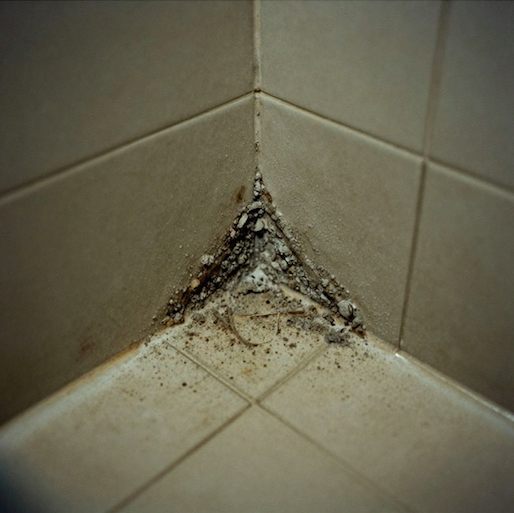

You clean the bathroom.
It looks perfect.
Everything smells fresh.
And then a few days later… the mould is back.
Along the silicone.
In the corners.
Around the tiles.
Sometimes in places you swear you just cleaned.
If you’ve ever wondered why showers seem to grow mould faster than any other part of the house, you’re not imagining it. Bathrooms create the exact conditions mould needs to grow — and most people are unknowingly helping it happen.
The good news is that once you understand why mould keeps coming back, it becomes much easier to stop it.
Why Showers Are the Perfect Place for Mould
Mould needs three things to grow:
- Moisture
- Warmth
- A surface to sit on
Your shower has all three, every single day.
Hot water creates steam, steam turns into condensation, and condensation settles into grout lines, silicone edges, and tiny gaps around fittings. Even if the surface looks dry, moisture often stays trapped in places you can’t see.
Once mould spores land there, they don’t need much to start growing.
The Real Reason Mould Keeps Coming Back
Most people think mould keeps returning because they didn’t clean well enough.
In reality, it’s usually because the conditions never changed.
You can scrub the mould away, but if the area stays damp afterward, it will grow again. This is especially common in bathrooms with:
- poor ventilation
- no windows
- weak extractor fans
- towels that stay damp for hours
Cleaning removes mould.
Drying prevents it from returning.
You need both.
The Most Overlooked Cause: Silicone and Grout
Mould loves porous materials.
Grout lines and silicone seals hold tiny amounts of moisture even after the shower looks dry. Over time, soap residue and body oils build up there too, giving mould even more to feed on.
This is why mould often appears:
- along the bottom of the shower
- around the door frame
- where tiles meet the wall
- behind taps and fittings
These areas need more than a quick wipe to stay clean.
They need proper cleaning and regular attention.
How to Stop Mould Before It Starts
Instead of waiting until mould appears, the goal should be to stop the environment that allows it to grow.
Simple habits make a huge difference:
- Leave the bathroom door open after showering
- Use an extractor fan if you have one
- Wipe excess water off glass and tiles
- Don’t leave wet towels piled up in the room
These small changes reduce moisture, which is the biggest factor in mould growth.
Why the Right Cleaning Product Matters
When mould does appear, using the wrong product often means it comes back faster.
Some cleaners remove the stain but don’t fully break down the residue underneath, which allows mould to return within days.
Bathroom areas need products designed to handle:
- soap buildup
- moisture residue
- organic growth
- heavy-use surfaces
At Max Products, many customers look specifically for cleaning solutions that can handle bathrooms properly, because everyday household cleaners aren’t always strong enough for high-moisture areas like showers and tiled walls.
Using the right product doesn’t just make cleaning easier — it makes the results last longer.
The Goal Isn’t a Perfect Bathroom — It’s a Dry One
People often think a clean bathroom means scrubbing more.
In reality, preventing mould is more about controlling moisture than increasing effort.
If the room dries properly, mould struggles to grow.
If moisture stays trapped, mould always comes back.
Once you understand that, bathroom cleaning becomes much simpler — and far less frustrating.
Fun Cleaning Fact
Penguins are extremely clean animals and spend hours every day preening their feathers to keep them waterproof and bacteria-free.