
Guests notice glassware before they taste the drink. A cloudy wine glass or a beer glass with a greasy film says "not quite clean", even if it technically is. Sparkling glassware comes down to the right detergent, the right water and the right handling.
Why glasses go cloudy
- Hard-water deposits leave white spots and film.
- Detergent residue from overdosing or poor rinsing.
- Grease from lipstick, food and hands.
- Etching: permanent cloudiness from harsh washing over time, which can't be removed.
Machine washing
- Use a glasswasher or dishwasher with the correct detergent for your machine.
- Use a rinse aid, such as Machine Auto Rinse Liquid. It helps water sheet off so glasses dry without spots.
- Don't overload racks. Water needs to reach every glass.
- Clean filters and spray arms regularly and descale the machine as needed.

Hand washing
- Use hot water with a small amount of super concentrated dishwashing liquid. More foam doesn't mean cleaner glasses.
- Wash glasses first, before anything greasy, and change the water often.
- Rinse in clean hot water.
- Air-dry upside down on a rack, or polish with a clean, lint-free microfibre cloth.
Polishing like a pro
Hold the glass by the base or stem, never the rim. Polish with a clean, dry microfibre cloth that's used only for glassware. Steam (holding the glass over hot water briefly) helps lift stubborn spots.
Beer glasses need extra care
Any trace of grease kills the head on a beer. Keep beer glasses separate from food dishes, rinse well and avoid drying cloths that have been used on anything else.
Stock up
Machine Auto Rinse Liquid, Dishwashing Liquid Super Concentrated and Microfibre Cloths are available from maxproducts.co.za.
Products mentioned in this guide
Available now from our sister company Max Products at maxproducts.co.za, in trade sizes and delivered in Cape Town.
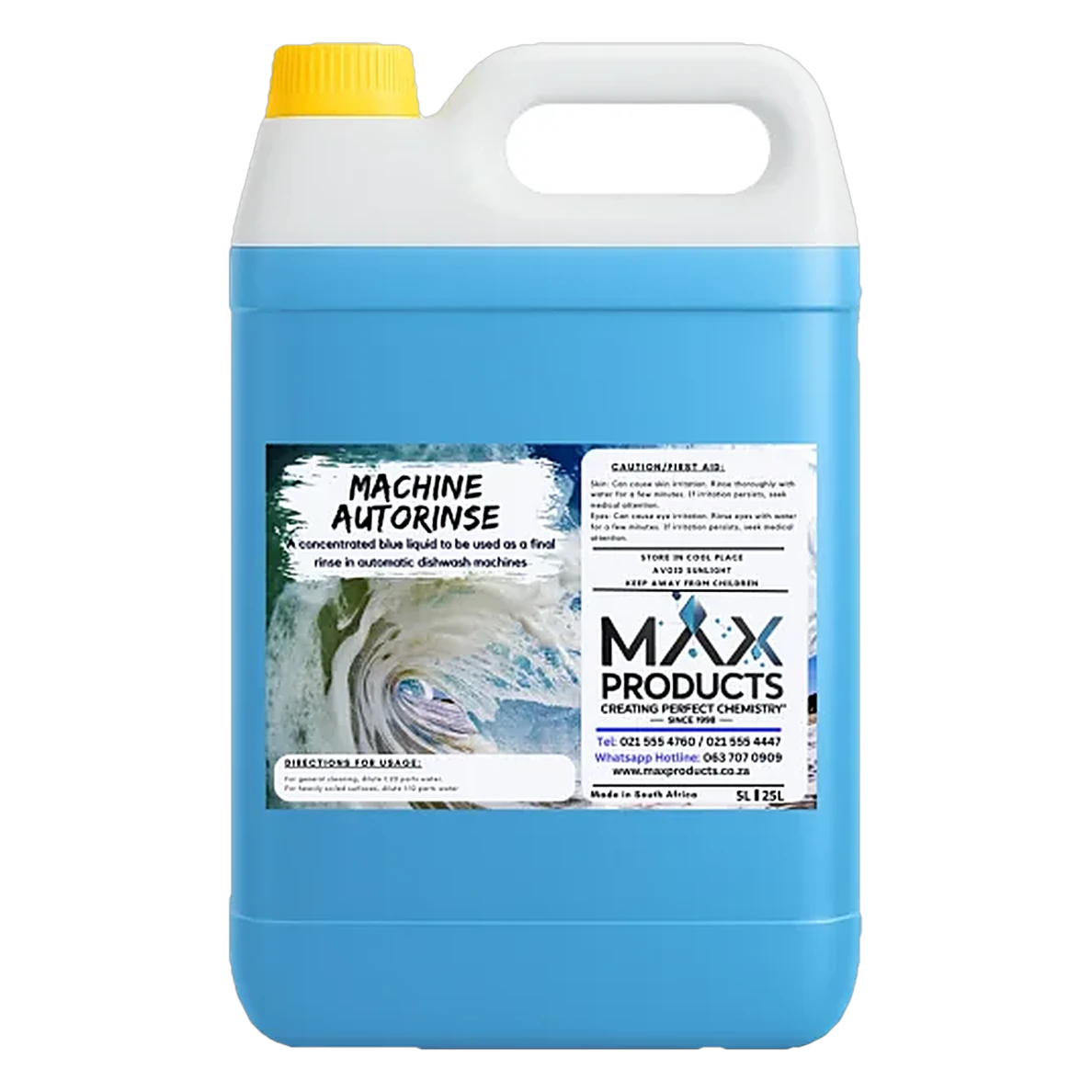 Machine Auto Rinse LiquidShop now →
 Dishwashing Liquid Super ConcentratedShop now →
 Microfibre Cloths 200gsmShop now →


