
Slips on wet floors are one of the most common workplace accidents, and they happen to staff, customers and visitors alike. Most are entirely preventable with a few simple habits and the right equipment.
Always use wet floor signs
- Put signs out before you start mopping, not halfway through.
- Place them at every entrance to the wet area, where people will actually see them.
- Leave them out until the floor is completely dry, then remove them. Signs left out permanently get ignored.
- For long corridors or open areas, use several signs or cones to mark off the section.
Choose the right sign
A sturdy 3-piece wet floor sign stands up well in busy areas and is visible from several directions. Wet floor cones are tall, highly visible and stack neatly, ideal for entrances and large spaces.

Mop smarter
- Wring mops well. A damp floor dries in minutes; a soaked floor stays dangerous for much longer.
- Clean in sections so there's always a dry path through the area.
- Schedule mopping in quieter times where possible.
- Use the correct dilution of floor cleaner. Too much product can leave a slippery film.
Deal with spills fast
Have a spill kit or a mop and bucket ready at busy spots like entrances on rainy days, food courts and kitchens. Someone should be responsible for checking and drying entrances when it rains.
Entrances and rainy days
Most water comes in on shoes. Good entrance matting catches much of it. On rainy days, mop entrances regularly and keep signs out.
Footwear and training
Staff who clean floors should wear non-slip shoes. Make slip safety part of every cleaner's training: signs out first, mop in sections, signs away only when dry.
Stock up
Wet Floor Sign 3 Piece, Wet Floor Sign Cones and Microfibre Fan Mop Heads are available from maxproducts.co.za.
Products mentioned in this guide
Available now from our sister company Max Products at maxproducts.co.za, in trade sizes and delivered in Cape Town.
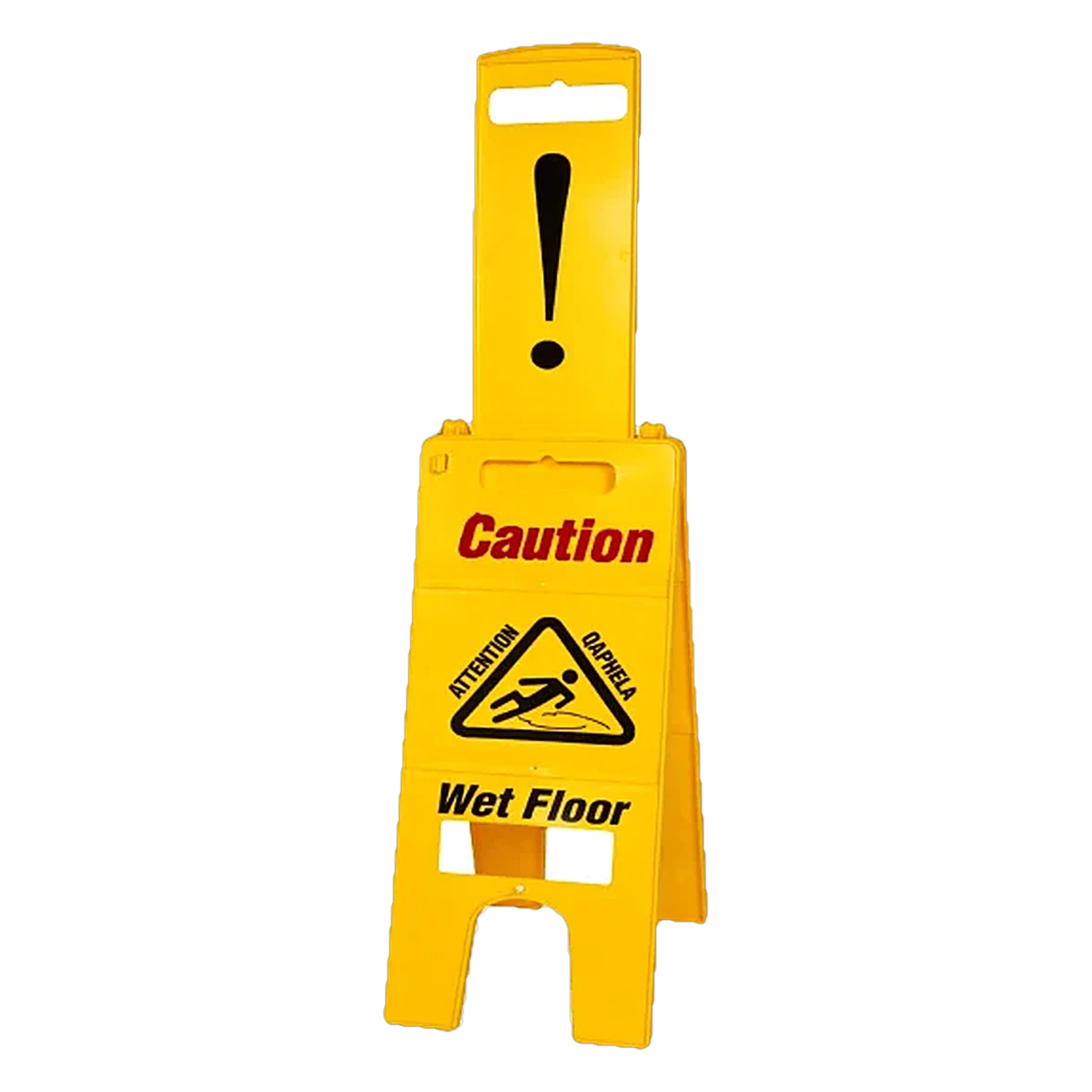 Wet Floor Sign 3 PieceShop now →
 Wet Floor Sign ConeShop now →
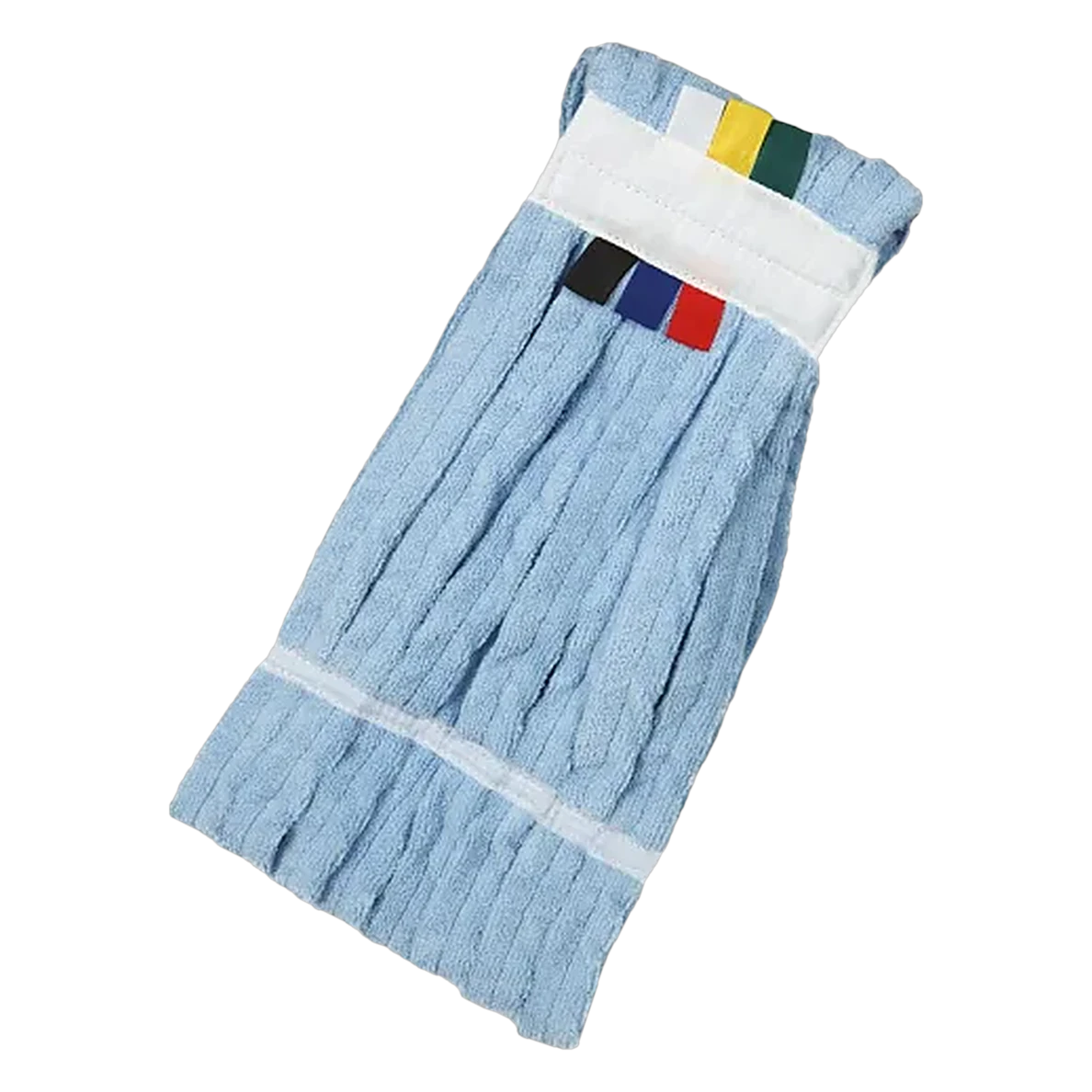 Microfibre Fan Mop Head (Blue)Shop now →


