Walk into any professionally cleaned hotel, hospital or office and you'll see the same thing: neatly folded stacks of brightly coloured microfibre cloths. There's a good reason the pros have ditched cotton rags and old T-shirts.
The science in one sentence
Microfibre strands are many times finer than a human hair. That creates a huge surface area that grabs and holds dust, grease and bacteria instead of pushing them around.
5 reasons to switch
- Less chemical needed. Many jobs can be done with just water or a light spray.
- Streak-free shine on glass, stainless steel and mirrors.
- Super absorbent: soaks up spills fast.
- Lint-free. No fluff left on dark surfaces.
- Lasts for hundreds of washes when cared for properly.

How to care for microfibre
- Wash in warm water with a regular detergent.
- Skip fabric softener. It clogs the fibres and kills their grip.
- Avoid washing with cotton towels, which shed lint into the microfibre.
- Air dry or tumble on low heat.
Weight matters: what "200gsm" means
GSM (grams per square metre) tells you how dense the cloth is. A 200gsm cloth is a solid all-rounder: thick enough to be absorbent, thin enough for detailed work.
Our sister company Max Products sells 200gsm microfibre cloths in single colours and in 10-packs of mixed colours, perfect for setting up a colour-coded cleaning system (more on that in our colour-coding guide).
Products mentioned in this guide
Available now from our sister company Max Products at maxproducts.co.za, in trade sizes and delivered in Cape Town.
Visit maxproducts.co.za → Microfibre Cloths 200gsm
 Microfibre Cloths 10 Pack
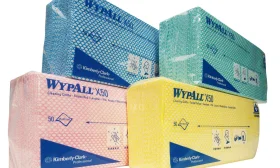 Workhorse Cloths

